I am a pioneer of Vintage Clothing, beginning in Paddington markets, Sydney in the early 1970s
Fibrearcheology? It’s about the end result, literally of a fibre into clothing… I’ve always loved, the feeling and the appearance of fabric.
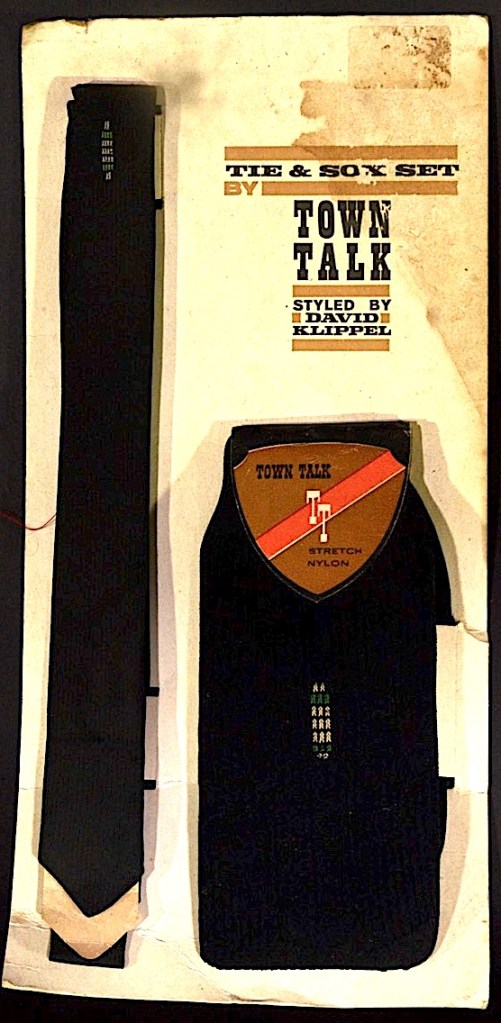
So I was lucky, after leaving school, to find a job with a menswear shop owner who when fashion was still fairly conservative in Australia was importing what was called’Ivy League’ fashion from America, and the UK these clothes were mysterious colours in olives, mustards, grape and other subtle colourings… A vivid demarcation from primary colours in 1950s Australian clothing. These new colours were seen in the early 60s Beatles… And Rolling Stones,clothing.The very narrow ties were another example of a split from conservatism….The exposure to the quality of the fabrics, and the depth and richness of the dyes, which can’t be seen today, instilled in me a deep love of fibre, whether it be alpaca, cashmere, wools, cottons, linen in the same way a skilled chef would be stimulated by the different possibilities inherent in different food sources.


There was no “made in China”….. cottons of a very high quality were grown and spun into very high quality in the USA, equally a lot of superb quality wool ,cotton, linen was spun into fabrics in the north of England… cotton from America being imported into Liverpool and then onto Manchester through the last 200 years.Because of this timeline, the fabrics evolved into very high quality, some of the machinery for spinning was actually made by Rolls-Royce.. … The Cashmere from these mills from the 30s ,40s, and 50s, can still be found in vintage clothing stores, the quality of the weave is such that on these 50 to 70 years old pieces there is no pilling(little balls) on the surface of the fabric as can be seen on the loosely woven modern Chinese cashmeres.These fabrics will probably never be surpassed, brands like”Tootal”, beautiful rayon made from wood fibre astonishing quality vivid colours and prints.
I will tell stories, of personal journeys, to Scotland where cashmere as we know it, evolved in small villages and mills like the one in Elgin which dates back to the beginning of the industry 200 years ago. This story will be on the site fibrearcheology.com which will chronicle my journey as a pioneer of vintage clothing ,beginning at Paddington markets in Oxford Street Sydney,in the early 1970s. Then going on to find pristine shop stock ,in remote outback towns. Including industrial clothing ,early rural clothing and children’s clothing, such as a three-year-old’s grandpa -type shirt with a detachable collar and brass stud still in cellophane packaging used in a TV series on the ABC called “The leaving of Liverpool”. The wardrobe people were surprised to see such a formal garment for a child, it helped to give depth to the texture of the production.Many more hard to find pieces such as 40s swimming costumes for men with shoulder straps, Early industrial clothing, rural clothing plus a full range of everyday clothing.
Most dealers at that time were women, and they focused on fashion garments. I could see a resource for film and television production in these other areas of vintage clothing.
this love, indeed reverence for fibre has led me in latter years to want to work these fibres into my own designs,whether it be alpaca, cashmere, wools, cottons, linen in the same way a skilled chef would be stimulated by the different possibilities inherent in different food sources .
 fibrearcheology